+91-9599188864

62/19, Mall Rd, Harbans Mohal, Kanpur Cantonment, Kanpur, Uttar Pradesh 208001

The Power of Traditional Cooking Why Old Recipes Still Matter

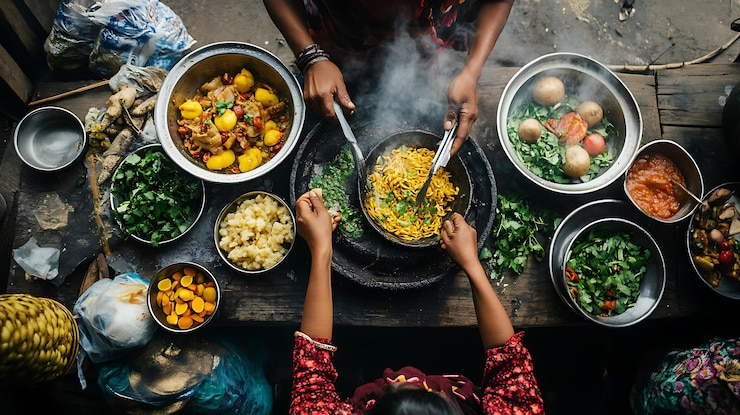
In a world filled with instant noodles, fast food apps, and trendy fusion dishes, it’s easy to forget the comfort of traditional home-cooked meals. But when you smell a simmering dal, taste your grandma’s pickle, or bite into a hot stuffed paratha, you remember: traditional food is not just about taste—it’s about connection.

At the heart of our recipe book lies a deep respect for age-old recipes passed down through generations. Here’s why traditional cooking still holds a powerful place in every modern kitchen.

1. Rooted in Wisdom

Our ancestors may not have had nutrition degrees, but their recipes were filled with health wisdom. From turmeric in curries to ajwain in parathas, every ingredient had a purpose—digestive, healing, or immune-boosting.

2. Balanced Meals Without Fancy Labels

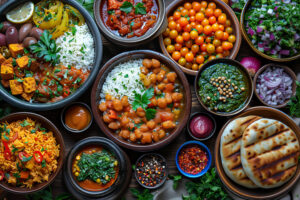
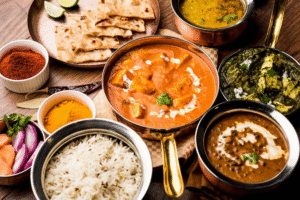
Long before “macros” and “superfoods” were trendy, Indian thalis offered balance: carbs (roti/rice), proteins (dal/paneer), fiber (sabzi), and healthy fats (ghee) on a single plate.

3. Seasonal and Local

Traditional recipes adapt with the seasons. Think sarson da saag in winter or mango pickles in summer. Eating seasonally keeps your body in sync with nature and supports local farmers.

4. Flavor Like No Other

Modern fast food might be quick, but nothing beats the slow-cooked flavor of rajma, biryani, or kadhi. Traditional cooking techniques—like dum, bhuna, or tadka—develop layers of flavor no packet can match.

5. Cultural Identity on a Plate

Food is a way to celebrate who we are. A Bengali’s mustard fish curry, a Punjabi’s butter chicken, or a Tamilian’s sambar—they’re more than meals. They’re memories, emotions, and stories.

6. Passed Down with Love

Recipes are often the only “written history” we get from our elders. When you recreate a dish from your nani’s notebook or remember how your dad made tea, you’re keeping that love alive.

7. Zero-Waste Approach

Traditional kitchens waste nothing. Leftover roti becomes chivda, vegetable peels become broth, and yesterday’s rice becomes curd rice. This frugal creativity is more relevant than ever today.

8. Great for Gut Health

Fermented foods like idli-dosa batter, kanji, or homemade curd promote digestion and gut health—long before probiotics became popular.

9. Mindful Cooking

Cooking from scratch makes you appreciate the process. Grinding spices, chopping vegetables, and slow cooking encourage mindfulness—and make you more connected to what you eat.

10. It Brings People Together

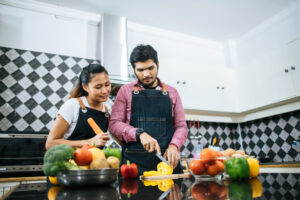
Traditional cooking is often a group activity. Festivals, weddings, or even daily meals involve shared effort. These moments in the kitchen create bonds that last a lifetime.

Recent Articles

Scroll to Top